Progress

Boxi

Blog

Blog

How To Measure Out Of Home Advertising? A Guide To Impressions, Reach, And More

How To Measure Out Of Home Advertising? A Guide To Impressions, Reach, And More


Running
out-of-home advertising is all fun, but one question makes you wonder: How do I know if my campaign is actually working? Out-of-home ads are significantly opposite of digital ads, where clicks and conversions are tracked daily. However, OOH success is measured differently. 

As per research, marketers are increasing ad spend on out-of-home advertising; the industry is establishing consistent measurement standards so campaigns can be planned, analyzed, and evaluated more effectively. 

But let’s get back to the real question: how exactly is OOH campaign measurement done? This guide covers the key metrics you need to understand, including impressions, reach, frequency, CPM, and more, so you can confidently evaluate your campaign’s performance.

What Are You Trying to Achieve with Your OOH Campaign?

Before understanding outdoor advertising measurement, figure out what you are trying to achieve. With every goal come different metrics that could measure the outcomes. The metrics you analyze will change depending on your objective. (For example, a campaign for brand awareness could be measured differently than a campaign designed to drive leads to stores. Now ask yourself what your desired business goals are.

  1. Brand Awareness: Track impressions, reach, and frequency to understand how many people saw your campaign.
  2. Website Traffic: Measure website visits, landing page traffic, and QR code scans to see how many people engaged online.
  3. Store Visits: Track foot traffic to understand how many people visited your location after seeing your ad.
  4. Lead Generation: Measure phone calls, contact form submissions, and quote or demo requests to evaluate customer interest.
  5. Sales: Track purchases, promo code redemptions, and revenue to measure conversions.
  6. App Promotion: Measure app downloads, installs, and new user sign-up numbers to evaluate campaign impact.
  7. Event Promotion: Track registrations, ticket sales, and event check-ins to measure attendance.

Key Metrics Used to Measure Out-of-Home Advertising

Impressions

OOH impressions estimate the number of times people were likely to see your out-of-home advertisement. It doesn’t exactly tell how many people saw your ad, only a total number of potential views.

How Are Impressions Measured?

Impressions are measured using traffic data, mobile location data, and audience measurement technology. These tools help estimate the number of people passed by the ad and then apply visibility data to calculate how many were likely to notice the advertisement. 

Reach

Reach is the estimated number of unique people who saw your OOH campaign. It may sound the same as impressions, but reach counts each person only once even if they passed by the ad multiple times.

How Is Reach Measured?

Reach is measured through anonymous mobile location data, travel patterns, and audience measurement models. All these tools estimate how many unique people passed through the ad and remove duplicate exposures.

Frequency

Frequency measures the average number of times a person sees your advertisement during a campaign. While reach tells you how many unique people your campaign reached, frequency shows how often those people were exposed to your message.

How Is Frequency Measured?

To calculate frequency, you need impressions and reach numbers. It is calculated by dividing the total number of impressions by the campaign’s reach. If you get a higher frequency, it means people are seeing your advertisements more often.

Remember, Frequency = Total Impressions ÷ Reach

CPM

Cpm aka cost per thousand impressions. It simply explains how much you pay to get 1,00 estimated impressions. In simpler words, it helps you understand how cost-effective your OOH campaign is at reaching people.

Advertisers often use CPM as a part of  OOH measurement to compare the cost of different billboards. For example, if two billboards generate the same number of impressions, but one with a lower CPM delivers more impressions for the same budget.

How Is CPM Measured?

CPM is calculated using the campaign cost and the total number of generated impressions. By dividing the total campaign cost by the number of impressions (in thousands), advertisers can determine the average cost of reaching 1,000 potential viewers.

Remember, CPM = (Campaign Cost ÷ Total Impressions) × 1,000

For example, if your campaign costs $5,000 and generates 500,000 impressions, your CPM would be $10.

Website Traffic

Website traffic measures how many people visited your site after seeing your OOH campaign. As mentioned previously, OOH ads don’t generate clicks like digital ads, but they can still encourage people to search your brand and visit your website.

How Is Website Traffic Measured?

To measure website traffic, advertisers use different tools like web analytics and Google Console. Then they compare the traffic before, during, and after the campaign to identify any uplift in visits. Another best way is to create unique landing pages, UTM-tagged links, or QR codes for OOH ads. It would help you estimate how much website traffic was driven by the campaign. 

Foot Traffic

Foot traffic measures the number of people physically visiting your store, restaurant, or business location after seeing the ad. This metric helps advertisers understand whether the advertisement encouraged people to visit the mentioned brand location.

How Is Foot Traffic Measured?

Foot traffic is measured using anonymous mobile location data. This data shows whether people who were near an OOH advertisement later visited the advertised store or business. By comparing store visits before, during, and after the campaign, advertisers can estimate whether the campaign helped increase foot traffic. 

Summary

At the end of the day, measuring OOH campaigns is not just about adding the number to the report. All of the effort ends with one simple question: Was the investment worth it? Every metric, whether it’s impressions, foot traffic, website visits, or CPM, gives you a new angle of measurement. However, when you combine them, it clearly evaluates performance and your OOH advertising ROI.

Understanding the key metrics is just the start of the journey. Equally important is choosing the right advertising partner, one that launches your campaign and also helps you measure its success. If you’re still comparing options, check out our guide to finding the best outdoor advertisement provider before launching your next campaign. 

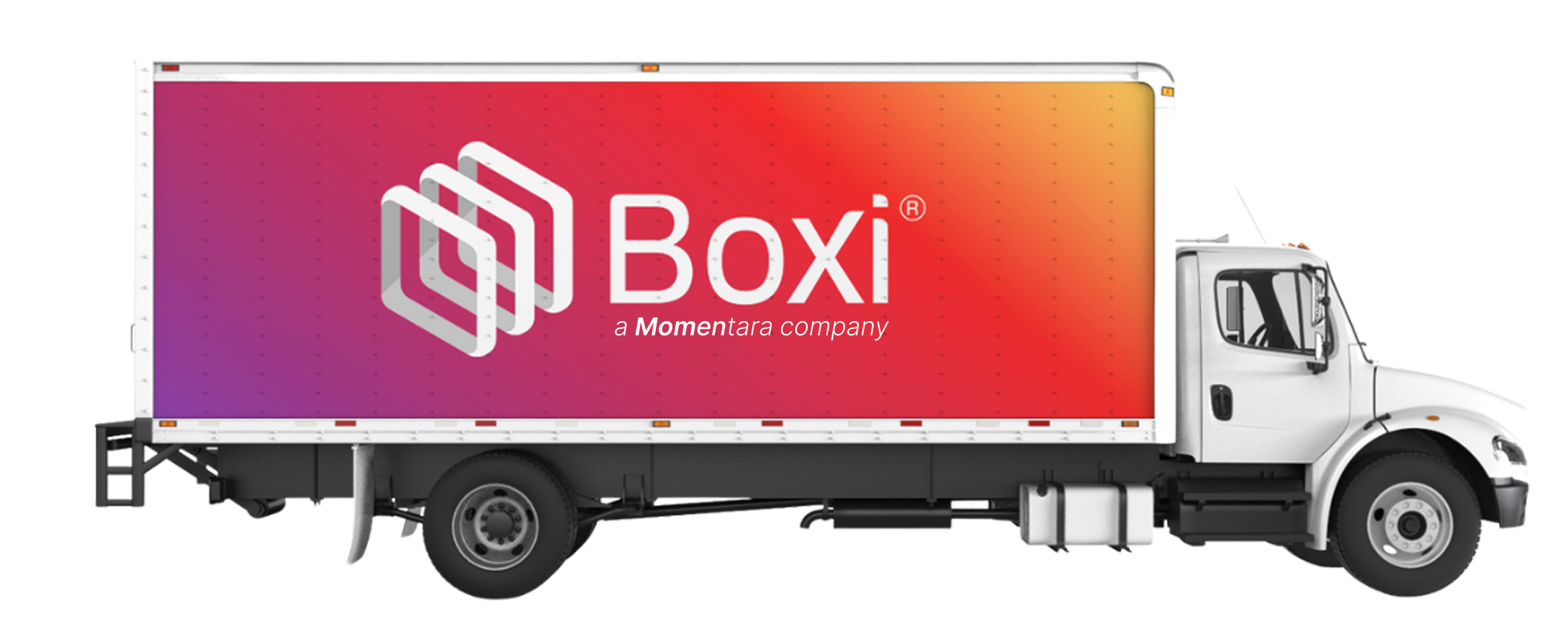
That is where Boxi stands out. Traditional billboards do provide measurement details, but Boxi takes a step further. They provide truck advertising billboards that you can track and measure. 

Every campaign includes a 24/7 live dashboard where you can track your trucks’ routes, miles covered, estimated impressions, and key campaign metrics in real time. So stop waiting until the campaign ends to understand its performance. Partner with Boxi, which gives wheels to your brand, and see where and how it’s performing. 

Related Posts
How to Create Eye-Catching Truck Advertising with Boxi

How to Create Eye-Catching Truck Advertising with BoxiIn a world saturated with digital noise, there's something powerful about a physical Read more

Looking for Nationwide OOH Truck Advertising that is Targeted, Impactful and Cost-Effective?

Looking for Nationwide OOH Truck Advertising that is Targeted, Impactful and Cost-Effective?Truck media is a form of out-of-home (OOH) advertising Read more

Why Mobile Billboards Offer Superior Reach Over Static Ads

Why Mobile Billboards Offer Superior Reach Over Static AdsIn today’s rapidly evolving Out-of-Home (OOH) world, capturing consumer attention is more Read more

Blog

Who Offers The Best Digital Outdoor Advertising in 2026?

Who Offers The Best Digital Outdoor Advertising in 2026?


This is the era of digital-first marketing, so you shouldn’t overlook the most powerful option, which is outdoor advertising. It comes in many formats, which you can explore in detail in our guide on
what outdoor advertising is and how it works. 

Billboards are a great medium for your brand to reach thousands of people every day. According to the OAAA, out-of-home (OOH) advertising, such as billboards, is seen by approximately 90% of U.S. travelers within a month. However, it comes at quite a high cost, so you need to tap into the best out of home advertising company to guarantee a great return on your investment. It requires design and creativity that some outdoor agencies lack. If you choose any agency without proper research, you may get a billboard, but it could end up with poor design and weak branding.

Unlike standard graphic design, outdoor advertising requires specialized expertise to create visuals that are bold, readable, and effective at a glance. At this point, many design agencies don’t understand the unique creativity needed in advertisements, which is why we recommend choosing the right experts. To help you make the decision, we have compiled the best out-of-home advertising agencies that create appealing visuals with strategy. Let’s jump straight into it.

Best Digital Out Of Home Advertising Companies 

Lamar

Lamar represents itself as a leading digital billboard advertising company, having the largest network of digital displays in the US. They have over 4,800 digital billboards, which give them unparalleled reach and visibility for their campaigns. The key differentiator for Lamar’s is the dynamic nature of their billboards. Ads on their billboard rotate in slideshows every 6 to 8 seconds. This rotation is not random, but it allows a variety of ads to be displayed.

Lamar Top offerings:

  • Ad Rotation: Ads rotate in a slideshow every 6 to 8 seconds, offering frequent and varied exposure.
  • Real-Time Data Streaming: Their billboards are connected to the internet, which updates the content automatically based on live information.
  • Low-Cost Updates: Their billboards can update ads anytime without paying for printing, shipping, or installation.
  • Dynamic Content Display: Their digital billboards can display engaging content that updates automatically in real time instead of showing a static advertisement all day

OUTFRONT

OUTFRONT is another of the best DOOH advertising companies that combines location, creativity, and smart audience data. This creates strong brand attention for audiences, making OUTFRONT a leader in America’s versatile and visible media network. Their billboards offer a smart approach of contextual relevance and creative dynamism. Their advanced technology automatically changes content based on real-time factors such as daypart, location, traffic, or weather. This approach helps them display ads that are more relevant to the current audience.

Top Offerings by OUTFRONT:

  • Contextual Relevance: Ads are designed to match the surrounding experience for targeted messaging.
  • Flexibility and Speed: Campaigns run and change very rapidly, without any delays.
  • Programmatic Options: Seamless integration and management of ads for efficient campaigns.
  • Measurement and Attribution: Their measurement and attribution capabilities track key metrics like brand lift and foot traffic.

Boxi

Boxi is a mobile outdoor advertising platform operated under Momentra, a marketing and media group. Instead of a digital billboard fixed at one place, Boxi brings a new approach to its marketing. They provide truck billboard services, so your message can be seen on the road while moving. 

These truck reaches allow the brand to reach the audience in multiple places, such as commercial, residential, and high-traffic areas. This is because your dedicated trucks have moving wheels, so your campaign gets exposure throughout the day.

Top Offerings by Boxi:

  • Targeted Route Campaigns: Brands can choose the city and specific route for the campaign, so the trucks operate in those areas where the target audience is located.
  • Tracking & Campaign Dashboard: They provide a digital dashboard and tracking system to monitor route, impressions, and performance in real-time.
  • Dedicated Trucks: Fully branded dedicated trucks for events, conferences, photoshoots, or launches. 

JCDecaux

JCDecaux is known as another leading advertising company with its strong strategy of placing ads in public spaces. They produce billboards as well as innovative street furniture and transport advertising. Moreover, they have hands-on experience in placing ads strategically in busy urban areas. They have a global presence in over 3,900 cities and have worked with major brands like Ferragamo, Clinique, Nintendo, BMW, and Cartier.

Top Offerings by JCDecaux:

  • Street Furniture Advertising: Ads placed on bus stops, kiosks, and other public infrastructure are used daily.
  • Transit Advertising: High-visibility placements in airports, metro stations, and transport hubs.
  • Digital Out-of-Home (DOOH): Digital screens with flexible, real-time content updates.
  • Urban Network Coverage: Wide presence across major cities for continuous brand exposure.

Key components for effective billboard designs

The top OOH companies listed above are not just known for ad placement. These companies also understand how to design the message to connect quickly with people on the move. People see it within seconds, so the design has most of the work to do in such a short time.  That is why it is best to understand the key components of an effective billboard design.

Strong visuals

Billboards rely primarily on visuals, so make sure your graphics and images grab attention and convey information quickly. Your viewers have seconds before they move past your billboard, so visual elements are more effective than adding words. At the same time, avoid overloading the ad with too many elements. A cluttered and fancy design can confuse people and reduce its impact

Concise messaging

As mentioned, people look at the ad for a few seconds, so adding lengthy paragraphs or complicated wording is a billboard faux pas. Choose a few words that convey your message accurately with context. Keep it focused on what matters the most and avoid explaining everything like a storybook. The audience will read while crossing, not settling in to read a novel.

Clear brand messages

A clear brand message is about making sure the advertisement makes people recognize the brand name. Your logo, brand name, and identity should be easy to spot without any confusion. Even if someone only sees the billboard for a few seconds, they should still remember the brand behind it.

A compelling call to action

A compelling call to action is the cornerstone of any good billboard design. It guides the people on what to do next. If a clear CTA is missing, even a strong design could fail. Whether it’s visiting a website, calling, or remembering a brand, the action must be simple, direct and bold.

Last words

So, who provides the best digital outdoor advertising in 2026? There is no fixed answer for this question. The answer lies within your brand’s needs and desired outcomes. One business could want as many people as possible to see its offer, while others may need to reach a specific audience. However, the best provider is the one that provides the solution you may need.

Meanwhile, you can also consult with Boxi’s team if you want your business to be seen across multiple locations. Their outdoor advertising solution is not fixed at one place; instead, they provide mobile billboard trucks that take your brand wherever your target audience may be. 


Who Offers The Best Digital Outdoor Advertising in 2026?


On this Page

    This is the era of digital-first marketing, so you shouldn’t overlook the most powerful option, which is outdoor advertising. It comes in many formats, which you can explore in detail in our guide on what outdoor advertising is and how it works. 

    Billboards are a great medium for your brand to reach thousands of people every day. According to the OAAA, out-of-home (OOH) advertising, such as billboards, is seen by approximately 90% of U.S. travelers within a month. However, it comes at quite a high cost, so you need to tap into the best out of home advertising company to guarantee a great return on your investment. It requires design and creativity that some outdoor agencies lack. If you choose any agency without proper research, you may get a billboard, but it could end up with poor design and weak branding.

    Unlike standard graphic design, outdoor advertising requires specialized expertise to create visuals that are bold, readable, and effective at a glance. At this point, many design agencies don’t understand the unique creativity needed in advertisements, which is why we recommend choosing the right experts. To help you make the decision, we have compiled the best out-of-home advertising agencies that create appealing visuals with strategy. Let’s jump straight into it.

    Best Digital Out Of Home Advertising Companies 

    Lamar

    Lamar represents itself as a leading digital billboard advertising company, having the largest network of digital displays in the US. They have over 4,800 digital billboards, which give them unparalleled reach and visibility for their campaigns. The key differentiator for Lamar’s is the dynamic nature of their billboards. Ads on their billboard rotate in slideshows every 6 to 8 seconds. This rotation is not random, but it allows a variety of ads to be displayed.

    Lamar Top offerings:

    • Ad Rotation: Ads rotate in a slideshow every 6 to 8 seconds, offering frequent and varied exposure.
    • Real-Time Data Streaming: Their billboards are connected to the internet, which updates the content automatically based on live information.
    • Low-Cost Updates: Their billboards can update ads anytime without paying for printing, shipping, or installation.
    • Dynamic Content Display: Their digital billboards can display engaging content that updates automatically in real time instead of showing a static advertisement all day

    OUTFRONT

    OUTFRONT is another of the best DOOH advertising companies that combines location, creativity, and smart audience data. This creates strong brand attention for audiences, making OUTFRONT a leader in America’s versatile and visible media network. Their billboards offer a smart approach of contextual relevance and creative dynamism. Their advanced technology automatically changes content based on real-time factors such as daypart, location, traffic, or weather. This approach helps them display ads that are more relevant to the current audience.

    Top Offerings by OUTFRONT:

    • Contextual Relevance: Ads are designed to match the surrounding experience for targeted messaging.
    • Flexibility and Speed: Campaigns run and change very rapidly, without any delays.
    • Programmatic Options: Seamless integration and management of ads for efficient campaigns.
    • Measurement and Attribution: Their measurement and attribution capabilities track key metrics like brand lift and foot traffic.

    Boxi

    Boxi is a mobile outdoor advertising platform operated under Momentra, a marketing and media group. Instead of a digital billboard fixed at one place, Boxi brings a new approach to its marketing. They provide truck billboard services, so your message can be seen on the road while moving. 

    These truck reaches allow the brand to reach the audience in multiple places, such as commercial, residential, and high-traffic areas. This is because your dedicated trucks have moving wheels, so your campaign gets exposure throughout the day.

    Top Offerings by Boxi:

    • Targeted Route Campaigns: Brands can choose the city and specific route for the campaign, so the trucks operate in those areas where the target audience is located.
    • Tracking & Campaign Dashboard: They provide a digital dashboard and tracking system to monitor route, impressions, and performance in real-time.
    • Dedicated Trucks: Fully branded dedicated trucks for events, conferences, photoshoots, or launches. 

    JCDecaux

    JCDecaux is known as another leading advertising company with its strong strategy of placing ads in public spaces. They produce billboards as well as innovative street furniture and transport advertising. Moreover, they have hands-on experience in placing ads strategically in busy urban areas. They have a global presence in over 3,900 cities and have worked with major brands like Ferragamo, Clinique, Nintendo, BMW, and Cartier.

    Top Offerings by JCDecaux:

    • Street Furniture Advertising: Ads placed on bus stops, kiosks, and other public infrastructure are used daily.
    • Transit Advertising: High-visibility placements in airports, metro stations, and transport hubs.
    • Digital Out-of-Home (DOOH): Digital screens with flexible, real-time content updates.
    • Urban Network Coverage: Wide presence across major cities for continuous brand exposure.

    Key components for effective billboard designs

    The top OOH companies listed above are not just known for ad placement. These companies also understand how to design the message to connect quickly with people on the move. People see it within seconds, so the design has most of the work to do in such a short time.  That is why it is best to understand the key components of an effective billboard design.

    Strong visuals

    Billboards rely primarily on visuals, so make sure your graphics and images grab attention and convey information quickly. Your viewers have seconds before they move past your billboard, so visual elements are more effective than adding words. At the same time, avoid overloading the ad with too many elements. A cluttered and fancy design can confuse people and reduce its impact

    Concise messaging

    As mentioned, people look at the ad for a few seconds, so adding lengthy paragraphs or complicated wording is a billboard faux pas. Choose a few words that convey your message accurately with context. Keep it focused on what matters the most and avoid explaining everything like a storybook. The audience will read while crossing, not settling in to read a novel.

    Clear brand messages

    A clear brand message is about making sure the advertisement makes people recognize the brand name. Your logo, brand name, and identity should be easy to spot without any confusion. Even if someone only sees the billboard for a few seconds, they should still remember the brand behind it.

    A compelling call to action

    A compelling call to action is the cornerstone of any good billboard design. It guides the people on what to do next. If a clear CTA is missing, even a strong design could fail. Whether it’s visiting a website, calling, or remembering a brand, the action must be simple, direct and bold.

    Last words

    So, who provides the best digital outdoor advertising in 2026? There is no fixed answer for this question. The answer lies within your brand’s needs and desired outcomes. One business could want as many people as possible to see its offer, while others may need to reach a specific audience. However, the best provider is the one that provides the solution you may need.

    Meanwhile, you can also consult with Boxi’s team if you want your business to be seen across multiple locations. Their outdoor advertising solution is not fixed at one place; instead, they provide mobile billboard trucks that take your brand wherever your target audience may be. 


      Related Posts
      How to Create Eye-Catching Truck Advertising with Boxi

      How to Create Eye-Catching Truck Advertising with BoxiIn a world saturated with digital noise, there's something powerful about a physical Read more

      Looking for Nationwide OOH Truck Advertising that is Targeted, Impactful and Cost-Effective?

      Looking for Nationwide OOH Truck Advertising that is Targeted, Impactful and Cost-Effective?Truck media is a form of out-of-home (OOH) advertising Read more

      Why Mobile Billboards Offer Superior Reach Over Static Ads

      Why Mobile Billboards Offer Superior Reach Over Static AdsIn today’s rapidly evolving Out-of-Home (OOH) world, capturing consumer attention is more Read more

      Blog

      What Is Out Of Home Advertising? Everything You Need To Know

      What Is Out Of Home Advertising? Everything You Need To Know


      Do you know that, as per the
      OAAA, the U.S. OOH industry has achieved 19 consecutive quarters of revenue growth? This sustained performance shows that businesses across industries continue to invest in outdoor advertising. They have recognized its effectiveness for building brand awareness and reaching consumers directly in the real-world environment. Rather than being a declining traditional medium, OOH remains a resilient and growing advertising channel.

      This continued growth has proven the role of OOH advertising in modern marketing. It is a powerful way to reach customers throughout their daily routine. Let’s explore this blogpost, which explains what it is, how it works, different types, and how it remains an effective way for businesses.

      What Is Out Of Home Advertising?

      Most people think OOH advertising is just placing a billboard on a street, while it is much more than this. It refers to different advertising formats placed strategically in places where the target audience may be. For some businesses, this may be a billboard on a busy road, while others may use bus ads, digital screens, or ads in shopping malls. It all depends on business needs and the customized strategy type.

      OOH advertising includes billboards, bus ads, metro and transit ads, digital screens, posters, wall wraps, and other displays placed in public spaces where people regularly see them in their daily routines.

      Benefits of Out-of-Home Advertising

      OOH advertising offers a range of practical advantages, making it a modern and revenue-driving marketing strategy. Here is a quick overview of its main benefits for businesses: 

      Increase Brand Familiarity

      If you have run an ad on social media, you might have noticed that users scroll past them without seeing your brand name. But with OOH advertising, things change. People see the same billboard repeatedly as they take the same routes every day. This repeated interaction makes the brand stick in their memory and improves brand recall. 

      Can’t Be Skipped

      OOH advertising can neither be skipped, ignored, nor blocked. Ads displayed on mobile can be scrolled or skipped easily, but OOH advertising is a part of the real-world environment. Whether they are stuck in traffic or just passing by, the message stays in front of them with no skip button to avoid it.

      Drives More Sales

      OOH advertising is known as a modern marketing strategy because it can directly influence buying decisions. People can turn toward that brand if it stays in their minds. This works even better if done correctly. It can boost store visits by 50% to 127%, which can lead to a rise in conversions.

      Builds Passive Trust

      When people see OOH advertisements, it creates a subconscious effect that makes the brand look more credible because of its daily surrounding appearance. At the same time, users have significant exposure to a larger volume of ads on social media, which makes digital ads look more reliable.

      Different Types of Out-of-Home Advertising

      Static Billboards

      Static billboards are the classic advertising type. It is large printed billboards displayed along highways, busy roads, and high-traffic areas. However, this type comes with limitations. It cannot swap any creative instantly; instead, it requires a reprinting and installation process all over again.

      Digital Billboards

      Digital billboards are flexible, with motion and real-time control. It includes an LED screen that can rotate multiple advertisements, display vibrant visuals, and allow quick creative updates. The biggest advantage is its flexibility with real-time updates. For example, it can show a breakfast promotion in the morning and a dinner promotion in the evening.

      Mobile Billboards

      Mobile billboards are like wheels for your brand. It brings freedom and displays the brand message where the audience is, instead of waiting for someone to pass by. These ads are mounted on trucks, vans, and buses that travel along a designated route. Moving through high-traffic areas, they create repeated visibility and help brands stay top of mind.

      Street Furniture

      Street furniture advertising captures people’s attention when they are waiting, walking, or spending time in public spaces. It allows one to be at eye level with pedestrians or to be close to a vehicular destination. These are basically printed ad placements on public fixtures like bus shelters, benches, kiosks, information panels, and newsstands.

      Guerrilla advertising 

      Guerrilla advertising breaks all the fixed rules and uses creative and unexpected placements to capture attention in public spaces. This type incorporates everyday surroundings into the advertisement itself. It includes painting stairs like piano keys, turning bus stops into product displays, or creating 3D wall art. It shows messages like a painting, but in a way that people stop, notice, and engage with it.

      Point of sale advertising 

      Point of sale advertising connects with customers when they are deciding what to buy. These are displayed on product shelves, endcaps, and checkout areas. In some stores, there are hanging signs on ceilings informing about discounts and offers. They elevate product awareness, reinforce promotions, and guide shoppers toward specific SKUs.

      How Brands Actually Book OOH Advertising

      Booking OOH advertising is a planned strategy; brands don’t randomly choose a billboard from anywhere. Instead, they consult with media providers like Boxi.co to create highly targeted OOH campaigns. They assess business goals individually and, based on them, offer the best possible advertising type. Once everything is in place, the campaigns are then scheduled for a specific duration and monitored further to track performance.

      Frequently Asked Questions

      How much does OOH advertising cost?

      OOH advertising costs depend on several factors, rather than having a fixed number. It depends on the location, format, and campaign duration. If you want a sport at a premium, high-traffic location, the price would automatically go up compared to a less busy area. Additionally, each format type has its own pricing structure. This is because of differences in visibility, audience reach, and impact. To get a personalized quote, contact us today.

      How to measure OOH advertising?

      OOH advertisement is measured by estimated impressions, pedestrian movement, mobile location data, and traffic count. To collect this data, advertisers use road sensors, transport reports, and anonymized mobile tracking, which help them know how many people passed through the campaign. For mobile billboard advertising, Boxi makes this clearer by using GPS tracking to show exact truck routes and a dashboard that estimates how many people were exposed along those routes.

      Who offers the best digital outdoor advertising?

      There is no single best advertising company in the media industry. Different providers specialize in different areas of expertise, like some would offer the best billboard campaigns, others could offer the best mobile advertisement. So, stop looking for the best, instead look for those that match your campaign goals, target audience, and preferred locations  

      How effective is billboard advertising?

      Billboard advertising is highly effective as per Nielsen’s 2024 Out-of-Home measurement research. It says that after seeing any OOH ads, people are more likely to search for the brand, visit their site, and take other online action. Moreover, the study also shows that these advertisement types deliver a strong uplift in key brand metrics such as awareness and purchase intent.


      Frequently Asked Questions

      How much does OOH advertising cost?
      OOH advertising costs depend on several factors, rather than having a fixed number. It depends on the location, format, and campaign duration. If you want a sport at a premium, high-traffic location, the price would automatically go up compared to a less busy area. Additionally, each format type has its own pricing structure. This is because of differences in visibility, audience reach, and impact. To get a personalized quote, contact us today.
      OOH advertisement is measured by estimated impressions, pedestrian movement, mobile location data, and traffic count. To collect this data, advertisers use road sensors, transport reports, and anonymized mobile tracking, which help them know how many people passed through the campaign. For mobile billboard advertising, Boxi makes this clearer by using GPS tracking to show exact truck routes and a dashboard that estimates how many people were exposed along those routes.
      There is no single best advertising company in the media industry. Different providers specialize in different areas of expertise, like some would offer the best billboard campaigns, others could offer the best mobile advertisement. So, stop looking for the best, instead look for those that match your campaign goals, target audience, and preferred locations

      Billboard advertising is highly effective as per Nielsen’s 2024 Out-of-Home measurement research. It says that after seeing any OOH ads, people are more likely to search for the brand, visit their site, and take other online action. Moreover, the study also shows that these advertisement types deliver a strong uplift in key brand metrics such as awareness and purchase intent.

      Related Posts
      How to Create Eye-Catching Truck Advertising with Boxi

      How to Create Eye-Catching Truck Advertising with BoxiIn a world saturated with digital noise, there's something powerful about a physical Read more

      Looking for Nationwide OOH Truck Advertising that is Targeted, Impactful and Cost-Effective?

      Looking for Nationwide OOH Truck Advertising that is Targeted, Impactful and Cost-Effective?Truck media is a form of out-of-home (OOH) advertising Read more

      Why Mobile Billboards Offer Superior Reach Over Static Ads

      Why Mobile Billboards Offer Superior Reach Over Static AdsIn today’s rapidly evolving Out-of-Home (OOH) world, capturing consumer attention is more Read more

      Blog

      The Evolution of Digital Mobile Billboards in 2026

      The Evolution of Digital Mobile Billboards in 2026

      Have you ever wondered how advertising has managed to keep up with every era? Advertising is here for as long as people are here, but what it looks like today is far from what it used to be. Before, people were not much into mobile phones and the internet, and everything looked simple. Ads that you see on digital billboards today were once the front-page limelight of newspapers. But as the audience became digital, the advertising had to find a new way to be seen. So how did advertising evolve from those newspaper front pages into the dynamic, moving digital displays we see today? Let’s explore how digital mobile billboards have transformed over time and where they stand in 2026.

      The Beginning of Advertising 

      Pre-19th Century Advertising Era

      Pre-19th-century advertising was very simple and relied on a walking announcement system. At that time, town criers would walk through the streets announcing news, sales, and events, so people could hear updates instantly. Alongside, merchants painted walls and buildings, alerting nearby people to services or important information. 

      Over time, advertising took a turn, and the printing press came into existence. It made written material in larger quantities possible, which led to printed notices and flyers being displayed in public spaces.

      Industrial Revolution Era

      The Industrial Revolution, which began in the late 18th century, was one of the biggest turning points in advertising history. The shift began when factories started producing larger quantities of products, which flooded the market with similar products from each producer. This made it harder for the brand to stand out and eventually led them to create a unique identity through branding. 

      Then came the idea of creating logos and slogans for brands. Thus, advertising became even more structured and strategic; firms now targeted large numbers in the population by making newspapers, posters, and later radio. 

      Broadcasting Era

      The period between the 1920s and 1960s introduced radio and television as a new form of advertisement. The radio era emerged in the 1920s, which quickly became the key channel for conveying brand messaging, promotions, and news.
      Advertisers used voices, music, and catchy jingles to capture listeners’ attention on the radio. Other than this, it allowed them to reach people in a personalized way, which makes the listener feel the message is direct and engaging, which was quite impossible with print ads.

      Again, around the 1950s came an absolute change in the form of television advertising. It involved visuals, sounds, and storytelling, which created a more engaging and memorable brand experience. 

      Beginning of the Digital Era

      The beginning of the digital era started with the advent of the internet, through which companies could reach millions of people with their message. Now, instead of newspapers and flyers, the company has started to build its websites for SEM and SMM. Social media gained significant popularity during the 2000s, since it became the best channel to directly communicate with its audience. 

      With time came influencer marketing, where social media influencers with numerous followers became a powerful channel. Companies began to work with influencers to reach more niche audiences in a more authentic way. Alongside these developments, brands also started using email campaigns to promote their products or services to target specific audiences.

      Modern Outdoor Digital Era

      Outdoor advertising is not a new concept; it has existed for decades in the form of printed billboards, posters, and public displays. However, it has evolved into a new way. Instead of static previews, modern advertising now involves big screens that display dynamic content such as videos, animations, and rotating messages. 

      Moreover, these digital screens are not limited to a dedicated spot; instead, they are now converted into moving billboard trucks. These truck-based campaigns target specific areas where the intended audience is most likely to be present.

      Bottom Line

      The evolution of advertising has been shaped by audience needs and their interest. What started as a basic announcement by town criers has now turned into a business strategy. Today, advertising is not just about informing people, but more about targeting the correct audience and delivering the message in an impactful way.

      Boxi is known as the best OOH advertising agency, helping your brand move on wheels with screens. Our truck ads are designed for businesses looking to target any specific area where their audience is present. Every mile covered is not a distance but a marketing strategy to make your brand seen in the right place.

      Related Posts
      How to Create Eye-Catching Truck Advertising with Boxi

      How to Create Eye-Catching Truck Advertising with BoxiIn a world saturated with digital noise, there's something powerful about a physical Read more

      Looking for Nationwide OOH Truck Advertising that is Targeted, Impactful and Cost-Effective?

      Looking for Nationwide OOH Truck Advertising that is Targeted, Impactful and Cost-Effective?Truck media is a form of out-of-home (OOH) advertising Read more

      Why Mobile Billboards Offer Superior Reach Over Static Ads

      Why Mobile Billboards Offer Superior Reach Over Static AdsIn today’s rapidly evolving Out-of-Home (OOH) world, capturing consumer attention is more Read more

      Blog

      How to Design Eye-Catching Truck Ads That Drive Results

      How to Design Eye-Catching Truck Ads That Drive Results

      You might have remembered some truck ads you often see on roads, some you forget instantly, and some stay in your head for no clear reason. Maybe it is because of its bold lines, vibrant colors, interactive visuals, or something more than just a marketing tagline. Whether you’re driving past, waiting at a signal, or catching a glance from a distance, the message lands almost instantly. But what are those designs that make all of this possible? This blog post is all about learning simple design tricks to build an eye-catching truck ad that will drive any business to exceptional results.

      7 Rules To Design Memorable Truck Ads

      Start with a Clear Objective

      Before you even think about color, typography, and content, just ask yourself this simple question: What should this ad actually do? Is it meant for brand awareness, pushing the audience to the website, promoting a limited-time offer, or launching a new product? Because the goal changes everything. An ad meant for brand awareness will look completely different from an ad displaying the launch of new products. Without a clear objective, truck ads often end up trying to do both and failing at both.

      Define One Core Message

      Once the objective is clear, finalize the core content of the truck banner ad. This is where many designs go wrong, when they try to fit multiple messages and taglines in the frame. Always remember that your audience will not stand and read your whole ad’s story. They’ll glance at it once or maybe twice, so write one thing easier to read and remember.

      Design for Speed & Glance Time

      Unlike static ads, truck ads are seen in constantly changing conditions with quick movement. People are driving, turning, stopping briefly, or catching a split-second glimpse as the truck passes by. In this case, you are not competing just for attention but with motion, distractions, and limited time. Your design must not be just about what your brand says, but also about how quickly the audience processes it.

      Build a Clear Visual Hierarchy

      When someone looks at your truck ad, their eyes shouldn’t have to search for the core thing. The design should be built keeping the user navigation in mind. It should guide the audience naturally, almost instantly, toward the most important part.
      Here step in the visual hierarchy. It is all about creating a perfect order in which the design is noticed. Like from the beginning part, to what supports it, and what comes at the end. Without this structure, everything would look messed up, and nothing really wins. We believe a strong truck ad visual hierarchy follows a simple flow: the main message grabs attention first, the visual supports or reinforces it, and the brand ties it all together.

      Prioritize Distance Readability

      One of the most important steps is to stop judging your ad based on how it looks on a screen. A truce ad is not like a mobile screen; people aren’t sitting still, zooming in, or taking time to study it. They see it from a distance, just for a few seconds, so it must be designed to work from afar. The visual small detailing is not required, just text, colors, and visuals need to be instantly clear and easy to recognize from a distance.

      Fit the Truck Canvas

      Most people treat truck design as a flat giant billboard. But the truck is not flat; it has edges, curves, and panels that can distort your design if you don’t plan accordingly. If important text or visuals sit across a door seam or wrap around a curve, part of your message might disappear or look distorted when the truck is on the road.

      But the issue doesn’t end with curves; it’s also about the size and type of the vehicle. A small cube truck and a large trailer all have different surfaces and viewing distances. What works best on one truck would not be suitable for another truck size.

      Use High-Resolution Images

      Truck graphics are massive, and choosing the image for it requires consideration. What looks fine on the screen can turn into a pixilated or blurry image when enlarged. Low-resolution images are one of the most distracting things observed in truck ads. As per advertising research, images are the first thing people notice and often the strongest key to brand recall. In fact, researchers even found out that 98% of highly effective ads contain a dominant image that helps draw attention.

      Last but Not Least!

      Being a business owner in a highly competitive environment means every detail counts, including how your brand appears on the road. A truck ad is not just a trend but a moving strategy of your business. It works 24/7 to grab attention, communicate your message, and leave a lasting impression.

      With Boxi, you don’t just put graphics on a truck; you turn every vehicle into a rolling brand ambassador. Our team ensures your message is bold, clear, and perfectly designed for the road, so your business gets noticed wherever it goes. When your trucks hit the streets, they don’t just carry products; they carry your brand straight into the minds of your audience.

      Related Posts
      How to Create Eye-Catching Truck Advertising with Boxi

      How to Create Eye-Catching Truck Advertising with BoxiIn a world saturated with digital noise, there's something powerful about a physical Read more

      Looking for Nationwide OOH Truck Advertising that is Targeted, Impactful and Cost-Effective?

      Looking for Nationwide OOH Truck Advertising that is Targeted, Impactful and Cost-Effective?Truck media is a form of out-of-home (OOH) advertising Read more

      Why Mobile Billboards Offer Superior Reach Over Static Ads

      Why Mobile Billboards Offer Superior Reach Over Static AdsIn today’s rapidly evolving Out-of-Home (OOH) world, capturing consumer attention is more Read more

      Blog

      Integrating QR Codes In Mobile Billboard Advertising

      Integrating QR Codes In Mobile Billboard Advertising

      At this time, technology such as digital ads has given marketers and brands the power to reach a massive audience. But when everyone is running the same kinds of online campaigns, how can your brand truly stand out? Customers are tired of the same type of ads repeatedly on their phones. Most of the time, they scroll past without even noticing. This is why grabbing customers’ attention now requires a compelling and unique approach to advertising.
      That is why many marketers and brands are now turning to a unique approach to mobile advertising. They are creating their own QR codes and placing them on mobile billboards provided by Boxi.  As a result, this turns regular ads into something interesting. Instead of just passing by the ad, users will now scan the code to learn more. It’s a simple but powerful way to grab their attention and make the brand memorable.

      Understanding QR Codes

      A QR code is basically a 2D barcode that is scanned via phone. You’ve probably seen those small black-and-white square patterns on product packaging, posters, or even restaurant menus or bills. When you scan them, it redirects to a specific page, like a website, video, product, or payment link. These codes are created easily using just a URL to link up. The crucial factor is to have a mobile-friendly experience, so users don’t get frustrated.

      One must understand that QR codes are no longer a niche or experimental technology. According to stats, today around 79–90% of global consumers have scanned a QR code at least once, so why wouldn’t your brand use this familiarity to turn everyday impressions into real, measurable engagement?

      Benefits of Using a QR Code Billboard

      Grabs attention

      A well-designed billboard with a brand-created QR code introduces an interactive element that encourages curiosity and action. If one pair it with a curious CTA like “scan to get an exclusive offer,” the billboard shifts from visibility to engagement.

      Measure Engagement by Location

      A billboard without QR codes makes it difficult to understand which location is truly driving engagement. But integrating a QR code in it allows the brand to track scan locations. In this way, brands can compare performance across neighborhoods, cities, or routes.

      Brings Potential Leads

      People who scan a QR code from a moving truck are not doing it for fun; they are genuinely interested in leads. Scanning requires effort, which means every scan is about the user wanting to learn more. In this way, brands can get connected with the right audience for lead generation and conversions.

      Extends the Campaign

      Once a truck billboard passes by, the opportunity to connect is almost over. But having a QR code extends the campaign’s life. It allows the viewer to scan, which the user can somehow explore later or even share with others. This allows the campaign to continue delivering value even after the truck is gone.

      What Not to Do with QR Codes on Billboards

      By now, you must have understood how your QR code and our truck advertisement can bring the right audience. But there are some common mistakes to avoid when integrating these codes into your billboard. Let’s learn them to avoid any issues.

      Making the QR Code Too Small

      If the QR code is too small, people won’t be able to scan it, or maybe they couldn’t even notice it while the truck is moving. One must ensure that the code is large enough, so the visibility is clear even from a distance.

      Placing in Low-Visibility Spots

      Many brands think placing QR codes in the corner is the best idea, and it would be, if it were a static billboard. But in moving truck ads, corner spots are hard to see when a truck passes by. So it is best to place the QR code in a prominent, eye-level area where people can notice and scan it quickly

      No Clear Call-to-Action

      Even if your QR code is perfectly visible, you could lose some potential leads if they don’t know what to do. Brands must include a short CTA with urgency or curiosity for the viewers, like “Scan to learn more or earn a reward.” It turns view into action; without a CTA, even the most creative QR code can go unnoticed.

      Skipping Analytics

      Some brands get everything else right, great design, clear placement, and a compelling QR code, but skip linking the code to analytics tools. Without adding these tools, the brand would not get an overview of which routes are driving engagement. If you want actionable data that shows real-time performance, link your qr code with these tools.

      Conclusion

      There was a time these codes were added on bill boards for fun. But at this time, these QR codes give you a competitive advantage over your competitors. When any brand uses it right on our truck billboards, they can turn views into active engagement. To get started, brands can easily generate their own QR code using any online QR code generator.

      So, what’s your next move? Are you going to stick with the usual truck ads, or are you ready to see how interactive QR codes on moving trucks can actually grab attention, generate leads, and give you real insights? You can start planning your next truck ad with us. Plan your content, graphics, design, and QR code, and we’ll bring our expertise to present your brand right in front of the audience.

      Related Posts
      How to Create Eye-Catching Truck Advertising with Boxi

      How to Create Eye-Catching Truck Advertising with BoxiIn a world saturated with digital noise, there's something powerful about a physical Read more

      Looking for Nationwide OOH Truck Advertising that is Targeted, Impactful and Cost-Effective?

      Looking for Nationwide OOH Truck Advertising that is Targeted, Impactful and Cost-Effective?Truck media is a form of out-of-home (OOH) advertising Read more

      Why Mobile Billboards Offer Superior Reach Over Static Ads

      Why Mobile Billboards Offer Superior Reach Over Static AdsIn today’s rapidly evolving Out-of-Home (OOH) world, capturing consumer attention is more Read more

      Blog

      Why Mobile Billboards Offer Superior Reach Over Static Ads

      Why Mobile Billboards Offer Superior Reach Over Static Ads

      In today’s rapidly evolving Out-of-Home (OOH) world, capturing consumer attention is more challenging than ever. Cities are filled with competing signs, posters, and advertisements, making it difficult for any single brand to stand out. On top of that, digital distractions and shorter attention spans have made traditional advertising formats increasingly easy to overlook. As a result, many brands are rethinking the value of static placements, which are limited to a single location and often ignored.

      This shift has opened the door for more dynamic formats—especially mobile billboard advertising, which delivers higher visibility, flexibility, and audience reach by taking your message directly to where people live, shop, and commute.

      In this article, we’ll explore why mobile billboards outperform static billboards, how they deliver superior reach, and why this format has become a strategic element of modern OOH advertising.

      1. The Shift in Outdoor Advertising

      For decades, traditional static billboards dominated outdoor media. They offered strong real estate along highways and city centers and provided stable visibility over extended periods of time. However, their effectiveness is limited to a single location, relying entirely on people passing by that specific point.

      Consumer movement patterns have changed. Today, audiences are more fluid—commuting across multiple neighborhoods, visiting new retail developments, and attending pop-up experiences with greater frequency. According to the Outdoor Advertising Association of America (OAAA), OOH continues to grow because it reaches consumers throughout their daily journeys—not just in one place.

      This is where mobile billboards excel. Instead of waiting for an audience to come to them, mobile campaigns actively travel to key destinations, maximizing impressions and exposure.

      In today’s market, remaining static often means remaining unseen.

      2. Why Mobile Billboards Deliver Superior Reach

      Mobility Means More Eyes

      Unlike static placements, mobile billboards move strategically through dense, high-traffic streets—downtown districts, retail centers, residential communities, and events.
      This enables mobile campaigns to reach a diverse audience in a single day.

      OOH studies consistently show that movement increases ad visibility, making it more likely that your message will be noticed and remembered.

      Higher Attention & Stronger Recall

      A mobile ad disrupts the visual routine of its environment. Large creative on a moving truck is less likely to blend into background noise than a stagnant placement surrounded by similar visuals.

      Industry research shows that OOH formats—particularly mobile units—have strong recall because they break habit loops people experience when commuting. Movement naturally captures attention, boosting message retention.

      With compelling design, mobile creative becomes a memorable touchpoint rather than background clutter.

      Targeted & Route-Driven Exposure

      Mobile OOH adds precision. Routes can be planned to focus on:

      • Key neighborhoods
      • Retail spaces
      • Sports venues
      • Business districts
      • Event spaces
      • Universities

      This allows brands to reach customers where they are most active—something static inventory cannot replicate.

      Better ROI Through Measurable Impact

      Mobile billboard campaigns often deliver more impressions per dollar because they cover multiple high-value areas during a single route.

      Today’s fleets often include GPS route reporting, estimated impression, and engagement data, giving marketers real visibility into campaign performance. These analytics enable optimization in real time, ultimately improving ROI.

      3. Mobile vs. Static Billboards: A Comparison

      FeatureMobile BillboardStatic Billboard
      ReachCovers multiple neighborhoods and audiencesLimited to a single location
      AttentionMoving visuals capture instant attentionOften ignored over time
      TargetingRoute-based precision around demographics & key areasGeneral, broad
      ROIHigher efficiency per impressionOften higher cost for limited exposure

      Mobile formats consistently demonstrate a reach advantage that supports both brand awareness and action-driving campaigns.

      4. Real-World Benefits of Mobile Billboard Advertising

      Expands Brand Visibility

      Mobile assets continually introduce messaging to new audiences—ideal for brands looking to scale awareness quickly.

      Drives Local Awareness Fast

      For product launches, grand openings, and events, mobile trucks can get your message in front of the right audience in just days—not months.

      A Natural Fit for Guerrilla Strategy

      Mobile billboards create bold, unexpected moments that grab attention—making them a perfect fit for experiential and guerrilla-style campaigns that break away from traditional marketing.

      Seamlessly Integrates with Digital

      Even with static creatives, mobile billboards can connect offline advertising to digital channels. Brands can:

      • Include QR codes to drive online engagement
      • Promote hashtags or social campaigns
      • Link viewers to websites, apps, or promotions

      This makes mobile OOH a powerful complement to digital marketing, helping brands extend visibility and interaction beyond the streets.

      5. Future Outlook

      The future of Out-of-Home (OOH) advertising is mobile, measurable, and engagement-focused. With the rise of integrated measurement tools—such as GPS tracking, device ID exposure, and footfall analytics—brands can better understand and demonstrate the real-world impact of their mobile campaigns.

      Mobile billboards offer:

      • Greater reach – bringing your message to multiple locations and diverse audiences
      • High impact – capturing attention in ways static ads cannot
      • Measurable results – providing insights into audience exposure, engagement, and incremental visits
      • Stronger ROI – maximizing impressions and campaign efficiency

      As marketers increasingly seek solutions that are agile, data-driven, and impactful, mobile OOH will continue to grow as an essential component of modern full-funnel marketing strategies.

      Frequently Asked Questions 

      Q1. Are mobile billboards more effective than static billboards?

      In many cases, yes. Mobile billboards increase visibility by reaching audiences in high-traffic areas and at events, rather than relying on people passing a single location. While static billboards provide long-term exposure, mobile units can deliver both short-term engagement and long-term brand presence, making them a versatile option for a wide range of campaigns—from product launches and events to ongoing brand awareness efforts.

      Q2. How do mobile billboards target specific audiences?

      We match your campaign needs to our fleet of trucks already operating in a set of zip codes. These trucks deliver your message to neighborhoods, shopping districts, event locations, and other high-traffic points of interest, ensuring your ads are seen by the right audiences.

      Q3. Can I measure performance?

      Yes. Modern mobile billboard providers offer a variety of measurement tools, including:

      • GPS-verified routing – to see where your ads were displayed
      • Estimated impressions – showing how many people likely saw your message
      • Digital engagement metrics – tracking interactions via QR codes or campaign links

      These insights help marketers understand campaign impact, refine strategies, and optimize ROI.

      Conclusion

      The OOH industry is evolving, and brands can no longer rely solely on static formats. Mobile billboards provide a strategic advantage by reaching audiences where they are—boosting visibility, enhancing recall, and driving stronger campaign performance.

      Related Posts
      How to Create Eye-Catching Truck Advertising with Boxi

      How to Create Eye-Catching Truck Advertising with BoxiIn a world saturated with digital noise, there's something powerful about a physical Read more

      Looking for Nationwide OOH Truck Advertising that is Targeted, Impactful and Cost-Effective?

      Looking for Nationwide OOH Truck Advertising that is Targeted, Impactful and Cost-Effective?Truck media is a form of out-of-home (OOH) advertising Read more

      Integrating QR Codes In Mobile Billboard Advertising

      Integrating QR Codes In Mobile Billboard AdvertisingAt this time, technology such as digital ads has given marketers and brands the Read more

      Blog

      Looking for Nationwide OOH Truck Advertising that is Targeted, Impactful and Cost-Effective?

      Looking for Nationwide OOH Truck Advertising that is Targeted, Impactful and Cost-Effective?

      Truck media is a form of out-of-home (OOH) advertising that places ads on the sides of delivery box trucks. Boxi takes truck advertising to the next level, and here’s how:

      Nationwide Inventory

      Our trucks are all over the US, allowing you to launch an impactful campaign across multiple markets and target various audiences.

      Targeted Coverage

      Boxi trucks consistently service a set of zip codes, ensuring your brand is seen by your target audience and stays top of mind. You tell us where you want your brand to be seen, and we’ll make it happen.

      Access to Areas with Limited OOH

      We provide access to OOH advertising in areas where billboard inventory is limited, opening up new possibilities where traditional advertising space is scarce.

      Cost Efficiency

      For the cost of a single overlooked billboard, you can get 10 big bold and unskippable Boxi trucks, reaching exponentially more eyeballs.

      Activations

      Unlike other types of media, we can bring your campaign to you! Whether it’s for a photoshoot, product launch, meeting, or an event where you want a bigger presence, we’ll make it happen!

      Game-Changing Technology

      We offer 24/7 access to a tech-infused dashboard, where you can view your trucks’ routes, miles covered, estimated impressions, key campaign details and more!

      Related Posts
      How to Create Eye-Catching Truck Advertising with Boxi

      How to Create Eye-Catching Truck Advertising with BoxiIn a world saturated with digital noise, there's something powerful about a physical Read more

      Why Mobile Billboards Offer Superior Reach Over Static Ads

      Why Mobile Billboards Offer Superior Reach Over Static AdsIn today’s rapidly evolving Out-of-Home (OOH) world, capturing consumer attention is more Read more

      Integrating QR Codes In Mobile Billboard Advertising

      Integrating QR Codes In Mobile Billboard AdvertisingAt this time, technology such as digital ads has given marketers and brands the Read more

      Blog

      How to Create Eye-Catching Truck Advertising with Boxi

      How to Create Eye-Catching Truck Advertising with Boxi

      In a world saturated with digital noise, there’s something powerful about a physical ad you can’t skip. At Boxi, we believe that truck advertising isn’t just mobile—it’s unmissable. But to truly catch people’s attention, a good design is key.

      Here’s how to make your truck ad not just visible, but unforgettable.

      1. Start with Bold, Simple Messaging

      Less is more when it comes to moving media. Your audience has only a few seconds to take in your message—whether they’re walking by or driving next to it.

      Tip:  Stick to one core idea or tagline. Make it punchy. Make it count. Use large, legible fonts and high contrast colors to boost readability from a distance.

      Article content

      2. Let the Brand Lead the Way

      Your truck is a canvas, but your brand is the star. The strongest designs balance creativity with consistency. Whether it’s your logo, color palette, or product image, your branding should be unmistakable.

      Tip:  Prioritize brand visibility on all sides of the truck, especially the back. That’s where most people spend the longest time looking.

      Article content

      3. Make It Visual. Really Visual.

      A well-placed visual can do more than a paragraph of text ever could. Think big, high-resolution images that pop—whether it’s a product shot, a lifestyle photo, or an illustration that sparks curiosity.

      Tip:  Use imagery that tells a story at a glance. Think: refreshing iced tea on a hot day or people enjoying a damn good mezcal

      Article content

      4. Design with Movement in Mind

      Truck ads are not billboards. They move, they turn, they park. Your design needs to work whether someone sees it for five seconds on a highway or fifteen minutes on a city curb.

      Tip:  Avoid small copy or busy layouts. Focus on one clear visual hierarchy and make sure your main message shines—even when the truck is on the move.

      5. Use Space Intentionally

      A truck offers more surface area than most OOH formats—don’t waste it. Use every panel to your advantage: sides, back, and even the overcab.

      Tip:  Use the sides to showcase your product, bold and clear. It should be the first thing people notice, without any distractions. Keep the background clean, the branding strong, and make sure the product stands out.

      6. Don’t Forget the Call to Action

      Even in a visual-first format, a call to action (CTA) still matters. Whether it’s a website, social handle, or QR code—give people somewhere to go after they see your truck.

      Tip:  Keep CTAs short, clear, and easy to remember. Think: “Scan to shop,” “Follow us,” or even a simple list of retailers where they can find your product.

      Article content

      At Boxi, We Bring Your Brand to the Streets

      With custom-wrapped trucks that deliver real exposure, Boxi helps brands break through the noise—visually and strategically. Whether you’re launching a new product, running a campaign, or simply looking to boost visibility, we get your brand in front of the right people, in the right markets, in a way that’s impossible to skip.

      Related Posts
      Looking for Nationwide OOH Truck Advertising that is Targeted, Impactful and Cost-Effective?

      Looking for Nationwide OOH Truck Advertising that is Targeted, Impactful and Cost-Effective?Truck media is a form of out-of-home (OOH) advertising Read more

      Why Mobile Billboards Offer Superior Reach Over Static Ads

      Why Mobile Billboards Offer Superior Reach Over Static AdsIn today’s rapidly evolving Out-of-Home (OOH) world, capturing consumer attention is more Read more

      Integrating QR Codes In Mobile Billboard Advertising

      Integrating QR Codes In Mobile Billboard AdvertisingAt this time, technology such as digital ads has given marketers and brands the Read more

      Scroll to Top